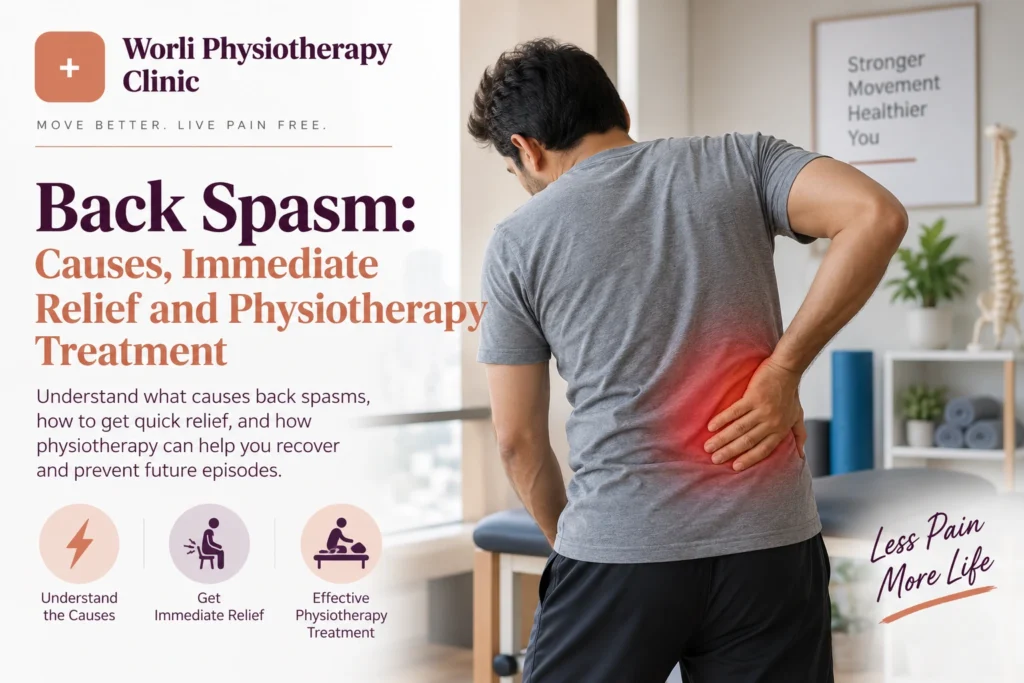
Long car rides are a common part of modern life—whether it’s a weekend road trip, commuting for work, or traveling to visit family. Yet many people dread these journeys not because of the destination, but because of the back pain that inevitably follows. If you’ve ever found yourself arriving at your destination with a stiff, aching lower back, you’re far from alone.
Back pain during and after long car rides is one of the most common complaints physiotherapists hear. The good news is that this pain is largely preventable with the right knowledge and preparation. In this guide, I’ll share evidence-based strategies to help you arrive at your destination feeling fresh and pain-free.
Why Do Long Car Rides Cause Back Pain?
Understanding the biomechanics of sitting in a car is the first step toward prevention. Several factors combine to create the perfect storm for back pain during driving.
The Prolonged Sitting Problem
Your spine is designed for movement, not stasis. When you sit for extended periods, several problematic changes occur:
- Increased disc pressure: Sitting increases pressure on your intervertebral discs by up to 40% compared to standing
- Muscle inactivity: Your stabilizing muscles, particularly the core, remain largely inactive during sitting
- Postural stress: Even small deviations from neutral spine position create cumulative stress over hours
- Reduced blood flow: Prolonged immobility restricts circulation to your spinal structures
- Muscle fatigue: Without movement breaks, muscles tire and lose their ability to provide support
The Driving Position Amplifies the Problem
The car seat position creates unique biomechanical challenges:
- Reclined angle: Most car seats recline at an angle, increasing stress on your lower back
- Hip position: Your hips are often positioned lower than your knees, creating a posterior pelvic tilt
- Steering position: Reaching forward to hold the steering wheel promotes a slouched posture
- Vibration: The constant vibration from the engine and road transmits directly to your spine
- Limited support: Many car seats lack adequate lumbar support for extended sitting
Muscle Imbalances from Driving
Prolonged driving exacerbates existing muscle imbalances:
- Hip flexor tightness: Seated position keeps hip flexors shortened and tight
- Glute weakness: Inactive glutes during sitting contribute to core instability
- Lower back extensors fatigue: These muscles work overtime to maintain an upright position
- Abdominal weakness: Lack of core engagement during passive sitting weakens stabilizing muscles
When these imbalances combine with prolonged static loading, back pain becomes almost inevitable.
Understanding Your Back Pain During Driving
The type of back pain you experience during car rides can vary, and understanding your specific symptoms is important.
Lower Back Pain
The most common complaint, lower back pain during driving typically involves:
- Aching in the lumbar spine (lower back)
- Increased pain as the journey progresses
- Temporary relief when standing and moving
- Potential pain radiating into the glutes or thighs
- Stiffness that worsens with extended driving
Lower back pain related to driving often stems from disc compression, facet joint irritation, or muscular fatigue.
Neck and Upper Back Pain
Some drivers experience discomfort in the neck and upper back:
- Neck stiffness and pain
- Upper back tension
- Shoulder tightness
- Headaches resulting from neck tension
- Pain radiating into the arms
Neck pain during driving typically results from forward head posture and sustained muscle tension.
Hip and Glute Pain
Driving can also trigger:
- Hip joint discomfort
- Glute muscle tightness
- Pain in the buttocks or lateral hip
- Reduced hip mobility
Hip pain during driving often reflects the inactive position and hip flexor dominance.
Prevention Strategy 1: Optimize Your Car Seat Setup
Your car seat is your foundation during long drives. Proper setup can dramatically reduce back pain.
Lumbar Support Adjustment
- Use the lumbar adjustment: If your seat has lumbar support, adjust it to match the natural curve of your lower spine
- Add support if needed: If your car seat lacks lumbar support, consider a lumbar roll or cushion
- Position correctly: The support should fill the natural inward curve at your lower back, not push forward excessively
Seat Height and Distance
- Seat height: Adjust so your hips are level with or slightly higher than your knees
- Distance from pedals: You should be able to extend your legs slightly when pressing pedals; avoid stretching
- Steering wheel distance: Position the wheel so your elbows are slightly bent (about 10-15 degrees of bend)
Seat Recline Angle
- Avoid excessive recline: A seat reclined too far places stress on your lower back
- Optimal angle: Position your seat at approximately 100-110 degrees (slightly reclined but not dramatically)
- Headrest positioning: Adjust so it supports the back of your head, not pushing your head forward
Seat Cushion Support
- Consider a memory foam cushion: A supportive cushion can enhance comfort during long drives
- Maintain neutral posture: The cushion should help maintain your pelvis in a neutral position
- Avoid excessive softness: A cushion that’s too soft won’t provide adequate support
Prevention Strategy 2: Perfect Your Driving Posture
Even with optimal seat setup, poor posture will create back pain. Maintaining proper posture throughout your journey is essential.
Neutral Spine Position
- Keep your back against the seat: Avoid sitting forward or leaning away from the backrest
- Maintain natural curves: Support the curves of your cervical (neck), thoracic (mid-back), and lumbar (lower back) spine
- Shoulders relaxed: Keep your shoulders down and back, not tensed up around your ears
- Head position: Your head should sit directly above your shoulders, not jutting forward
Grip and Arm Position
- Relaxed grip: Don’t grip the steering wheel tightly; this creates unnecessary tension in your arms and shoulders
- Elbow position: Keep elbows at roughly 90 degrees, not fully extended or sharply bent
- Avoid leaning: Don’t lean forward toward the windshield or slouch back in your seat
Pelvic Positioning
- Neutral pelvis: Your pelvis should be in a neutral position—not tilted forward (anterior tilt) or backward (posterior tilt)
- Weight distribution: Distribute your weight evenly across both sit bones
- Avoid crossing legs: Don’t cross your legs or sit on one leg, as this creates asymmetrical loading
Prevention Strategy 3: Take Regular Movement Breaks
The human body isn’t designed for hours of continuous sitting. Regular breaks are absolutely essential.
Frequency of Breaks
- Every 60-90 minutes: Stop for at least 15-20 minutes every hour to 90 minutes of driving
- More frequent if you’re in pain: If you develop pain, stop more frequently
- Stretch before pain develops: Don’t wait until you’re in significant discomfort to take a break
Activities During Breaks
Standing and Stretching
- Stand tall and reach your arms overhead, gently arching backward
- Perform gentle spinal rotations, twisting your torso side to side
- Do lateral bends, reaching one arm up and over to each side
- Walk around your vehicle or nearby area for 5-10 minutes
Hip and Leg Stretches
- Quad stretch: Pull one knee toward your chest
- Hamstring stretch: Straighten one leg and gently reach toward your toes
- Hip flexor stretch: Step one leg forward into a lunge position
- Glute stretch: Cross one leg over the other and gently pull your knee toward your chest
Lumbar Spine Stretches
- Knee-to-chest: Pull one knee toward your chest while standing
- Spinal rotation: Gently twist your torso, holding the rotation for 15-30 seconds
- Forward fold: Gently bend forward, allowing gravity to stretch your hamstrings and lower back
- Cat-cow stretch: On hands and knees, alternate between arching and rounding your spine
Muscle Activation Exercises
- Glute squeezes: Tense your glute muscles, holding for 2-3 seconds, then release
- Calf raises: Raise up on your toes repeatedly
- Arm circles: Rotate your arms forward and backward
- Neck rolls: Gently rotate your head in circles (avoid full backward extension)
Mental Benefits of Breaks
Beyond physical benefits, breaks provide:
- Reduced driver fatigue
- Improved focus and alertness
- Decreased risk of accidents
- Mental refreshment
- Opportunity to use restrooms
Prevention Strategy 4: Core Strengthening and Conditioning
A strong core is your best defense against back pain during driving. Regular strength and conditioning creates resilience in your spinal support system.
Why Core Strength Matters
Your core muscles stabilize your spine during driving vibration and static loading. Weak core muscles force your back extensors to work overtime, leading to fatigue and pain.
Essential Core Exercises
Dead Bug
- Lie on your back with knees bent and feet flat
- Raise one arm overhead while extending the opposite leg
- Alternate sides slowly and controlled
- Perform 3 sets of 10-12 repetitions per side
Plank Hold
- Support yourself on forearms and toes in a straight line
- Maintain neutral spine without sagging hips or piking buttocks
- Hold for 20-60 seconds
- Perform 3 sets
Glute Bridge
- Lie on your back with knees bent and feet flat
- Press through your heels to lift your hips toward the ceiling
- Squeeze your glutes at the top
- Lower and repeat for 12-15 repetitions
- Perform 3 sets
Bird Dog
- Start on hands and knees
- Extend one arm forward while extending the opposite leg backward
- Keep your spine neutral throughout
- Alternate sides slowly
- Perform 3 sets of 10 repetitions per side
Pallof Press
- Use a resistance band anchored at chest height
- Stand perpendicular to the anchor point
- Press the band forward, resisting rotation
- Perform 3 sets of 12 repetitions per side
Regular core strengthening, performed 3-4 times weekly, significantly reduces driving-related back pain.
Prevention Strategy 5: Flexibility and Mobility Work
Tight muscles limit your ability to maintain proper posture and increase back pain risk.
Key Areas for Stretching
Hip Flexor Stretches
Tight hip flexors (iliopsoas) pull your pelvis into anterior tilt, stressing your lower back:
- Lunge stretch: Step one leg forward into a lunge, feeling the stretch in the back leg’s hip
- Perform 2-3 sets of 30-second holds per side
- Do this 5-6 days per week
Hamstring Stretches
Tight hamstrings limit hip mobility and contribute to posterior pelvic tilt:
- Seated forward fold or standing toe touches
- Use a towel around your foot for support
- Perform 2-3 sets of 30-second holds
- Do this 5-6 days per week
Glute and Piriformis Stretches
These muscles, when tight, contribute to lower back and hip pain:
- Figure-4 stretch: Cross one leg over the other while seated and gently pull toward your chest
- Perform 2-3 sets of 30-second holds per side
- Do this 5-6 days per week
Thoracic Spine Mobility
Stiffness in your mid-back creates compensation in your lower back:
- Thoracic rotations: On hands and knees, rotate your torso side to side
- Perform 2-3 sets of 10 repetitions per side
Chest and Shoulder Stretches
Tight chest and anterior shoulder muscles promote forward head posture:
- Doorway chest stretch: Place one arm on a doorframe and gently rotate your body away
- Perform 2-3 sets of 30-second holds per side
Prevention Strategy 6: Address Underlying Postural Issues
If you have chronic posture correction needs, addressing these before long drives prevents pain.
Common Postural Issues
- Forward head posture: Your head positioned forward of your shoulders
- Rounded shoulders: Excessive thoracic kyphosis (rounding) in your mid-back
- Anterior pelvic tilt: Your pelvis tilted forward, exaggerating your lower back curve
- Posterior pelvic tilt: Your pelvis tilted backward, flattening your lower back
Professional Assessment
A physiotherapist can:
- Identify your specific postural patterns
- Determine contributing muscle imbalances
- Design corrective exercises
- Track improvements over time
Addressing postural issues before taking long drives prevents predictable pain.
Prevention Strategy 7: Pre-Drive Preparation
The hours leading up to your drive significantly impact your comfort during driving.
The Day Before Your Drive
- Get adequate sleep: Rested muscles are more resilient
- Stay hydrated: Dehydrated discs are less resilient to loading
- Perform your regular stretching and strengthening: Maintain your mobility and strength
- Avoid heavy lifting: Don’t stress your back unnecessarily before a long drive
The Morning of Your Drive
- Gentle warm-up: Perform light stretches and mobility work
- Core activation: Do a few rounds of core exercises to activate your stabilizers
- Light cardiovascular activity: A short walk gets your blood flowing
- Hydration: Start your drive well-hydrated
- Healthy breakfast: Proper nutrition supports muscle function
Just Before Departing
- Final adjustments: Confirm your car seat, lumbar support, and steering wheel are optimized
- Mental preparation: Tell yourself you’ll take breaks and maintain good posture
- Planned break locations: Identify rest stops or locations where you’ll take breaks
When to Seek Professional Help
While prevention strategies work well for most people, certain situations warrant professional evaluation.
Signs You Should See a Physiotherapist
- Back pain that prevents you from driving comfortably
- Pain that doesn’t improve with prevention strategies
- Pain accompanied by weakness or numbness in your legs
- Sciatica symptoms during or after driving
- Pain from previous back injuries (slipped disc or cervical spondylosis) that worsens with driving
- Chronic back pain that makes long drives impossible
How a Physiotherapist Can Help
A qualified physiotherapist can:
- Perform a comprehensive assessment to identify your specific issues
- Conduct a biomechanical assessment to evaluate your driving posture and movement patterns
- Design personalized exercises targeting your specific weaknesses
- Provide ergonomic advice for your vehicle setup
- Manage chronic pain if you have ongoing issues
- Coordinate care if you’re recovering from back surgery or injury
Orthopaedic Physiotherapy Approach
For those with existing back conditions or previous injuries, orthopaedic physiotherapy offers specialized expertise in:
- Managing back pain from musculoskeletal issues
- Treating lower back pain and upper back pain
- Addressing neck pain from driving
- Providing rehabilitation after back surgery
- Preventing recurrence of back injuries
Special Considerations for Specific Populations
Long-Distance Truck Drivers
Professional drivers face unique challenges:
- Extended driving hours
- Irregular schedules affecting sleep and exercise
- Limited access to proper stretching facilities
- Chronic postural stress
Solutions include:
- Investing in a high-quality lumbar support cushion
- Taking shorter, more frequent breaks
- Performing targeted exercises during breaks
- Professional assessment and personalized programs
Commuters with Daily Long Drives
Daily commuters accumulate significant driving exposure:
- Consistent postural stress
- Limited time for corrective exercises
- Chronic fatigue
- Accumulated muscle imbalances
Solutions include:
- Optimized car setup
- Consistent core strengthening
- Regular flexibility work
- Occasional professional assessment
Pregnant Women
Pregnancy creates unique driving challenges:
- Changed center of gravity
- Increased lumbar lordosis (curve)
- Relaxed ligaments
- Pelvic instability
Women’s health physiotherapy can provide:
- Specialized pregnancy-safe exercises
- Postural modifications for driving
- Support techniques
- Pain management strategies
Individuals Recovering from Surgery
Those recovering from back surgery need careful management:
- Respect surgical precautions
- Gradual return to driving
- Protected posture
- Post-surgery rehabilitation coordination
The Importance of Long-Term Habits
Preventing back pain during car rides isn’t just about one trip—it’s about establishing long-term habits.
Making Prevention Part of Your Routine
- Daily stretching: 10-15 minutes of flexibility work daily
- Regular strengthening: 3-4 sessions weekly of core and postural exercises
- Consistent posture awareness: Throughout your day, not just while driving
- Regular movement: Avoid prolonged sitting in all contexts
Seasonal Considerations
- Summer travel season: Increase your preparation before vacation driving
- Winter considerations: Cold muscles are less resilient; warm up thoroughly
- Holiday drives: Extra stress may affect posture; be especially mindful
Practical Packing Tips for Long Drives
Helpful Items to Pack
- Lumbar support cushion: A small, portable cushion provides additional support
- Neck pillow: If you’re stopping for rest, a neck pillow supports proper alignment
- Water bottle: Stay hydrated throughout your journey
- Healthy snacks: Proper nutrition maintains energy and muscle function
- Comfortable clothing: Avoid tight clothing that restricts movement
- Change of shoes: Tight shoes can affect posture; bring comfortable alternatives
Items to Avoid
- Thick phone holder: Overly thick holders can interfere with proper steering wheel grip
- Arm rests that are too high: Can push your shoulders up around your ears
- Oversized steering wheel covers: Can prevent proper grip and control
- Excessive lumbar support: More isn’t always better; excessive support can create problems
A Sample Pre-Drive Routine
Performing this routine the morning before a long drive maximizes your comfort:
Warm-up (5 minutes)
- Light walking or gentle movement to increase blood flow
- 10 arm circles forward and backward
- 10 gentle neck rotations
Stretching (5 minutes)
- 30-second hip flexor stretch, each side
- 30-second hamstring stretch, each side
- 30-second glute stretch, each side
- 30-second chest stretch, each side
Core Activation (5 minutes)
- 30-second plank hold
- 10 glute bridges
- 10 bird dogs per side
- 10 dead bugs
Final Preparation (2 minutes)
- Hydration check
- Seat adjustment verification
- Mental preparation and intention-setting
This 17-minute routine significantly improves your comfort during long drives.
Conclusion
Back pain during long car rides is extremely common, but it’s also highly preventable. By implementing the strategies outlined in this guide—optimizing your car setup, maintaining proper posture, taking regular breaks, strengthening your core, improving flexibility, and addressing postural issues—you can arrive at your destination feeling fresh and pain-free.
The key to success is consistency. Don’t wait until your next long drive to implement these strategies. Start building your core strength, improving your flexibility, and establishing good postural habits now. Your future road trips will be significantly more comfortable.
Worli Physiotherapy is here to support your journey to pain-free driving. Whether you need a comprehensive assessment before tackling long drives, specialized treatment for existing back pain, or personalized exercise programs to prevent future issues, our experienced physiotherapists are equipped to help. We provide tailored guidance for your specific needs and goals.
Don’t let back pain limit your travel plans or quality of life. With the right preparation and support, long car rides can be pain-free and enjoyable. Take action today—your back will thank you, and your next road trip will be much more comfortable.
Contact us to schedule an assessment or discuss how we can help you prepare for comfortable, pain-free driving.